

Social Networks Work Best in Harmony
In weaving a cohesive social network, collaborative, or group of individuals dedicated to making change in social systems, much can be learned from Mother Nature. The perfect system already exists, and flourishes through interconnection and collaboration. Within any ecosystem, from the fauna and flora we can see to the intricate networks of roots beneath our feet, nature exhibits a profound ability to thrive through shared resources and mutual support. Healthy ecosystems operate on the principle of resource circulation, where waste from one organism becomes nourishment for another.
Ecosystems depend on the health of their foundational soil, and are enriched by the growth of mycelium, an underground network of fungal connectors intertwined with root systems. Mycelial networks facilitate the flow of resources, minerals, and information through this web, enhancing overall well-being for all organisms connected. Creating more connection points with many healthy organisms allows biodiversity to thrive, promoting further resilience against pests and diseases. Plants are able to communicate through the fungal web by producing chemical signals that enable or inhibit the flow of resources.
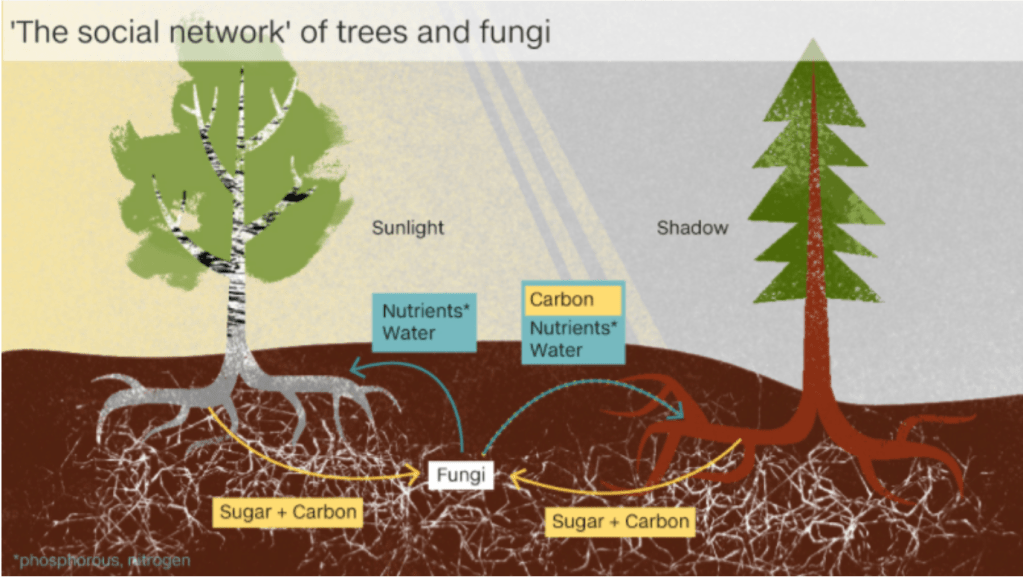
This paradigm mirrors the evolution of social networks that band together over common issues to share information, resources, and create opportunities that improve individual and mutual well-being. Networks of committed individuals can emulate the resiliency of nature by redeploying resources in a circular fashion, minimizing waste and maximizing efficiency. By adopting recycling, upcycling, and shared economics practices, networks can emulate nature’s ability to sustainably manage finite resources needed for survival.
Consider what it takes to survive in an ecosystem like the dense Florida Everglades swamplands. Alligators dig out holes in the banks for comfort, creating small pools of water that serve as hotspots of biodiversity over time, supporting numerous species during dry seasons. Similarly, focal points emerge within social networks where individuals align on the exchange of ideas, resources, and support to meet mutual needs. Much like naturally diverse networks of wildlife coexisting and contributing to their ecosystem’s overall resilience, social networks also thrive on diversity.

Networks for social change do best by encompassing many varied individuals, each bringing unique backgrounds, skills, and resources to the collective table. A cohesive blend of perspectives is essential for navigating complicated social systems, and enhances collective creativity and overall resilience. Many hands make light work and more connection fosters better knowledge exchange. In emulating the richness of natural diversity, networks can learn to effectively innovate and adapt with intentional design.
Respect for the seasons and cycles of nature is also paramount. Just as ecosystems undergo seasonal transitions, social networks must adapt to changing circumstances and needs. Embracing the ebb and flow of life’s rhythms allows for more harmonious and sustainable interactions within any community, while promoting adaptability, resilience, and interdependence. By heeding these lessons, networks can make adjustments to navigate complex challenges with grace and wisdom.
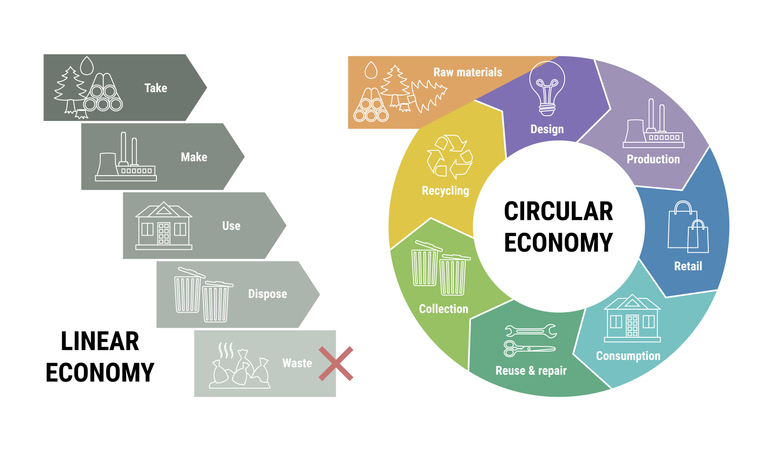
Consider the connection points within a city subway, a food supply chain, or a public school system. Each facilitates the efficient transfer and exchange of vital information and resources, highlighting the importance of all connections for each system’s overall well-being. The golden rule of reciprocity echoes throughout nature, reminding us that the interconnected web of life requires mutual support. By optimizing a network approach, communities can work together to demand change for equitable access to resources and opportunities, fostering more cohesive and resilient social systems for all.
Purposefully designed networks hold the key to fostering positive changes for collective well-being. By embracing diversity, fostering connectivity, and respecting natural cycles, networks can harness the power of collaboration to create a more sustainable and resilient future. As we look to Mother Nature for guidance, let us heed her teachings and strive to build social change networks and systems that reflect the harmony and abundance found in the natural world.
 Shine Lab Associates